FIELD NOTES / COLLECTION
Preparedness
Start with the first 72 hours, then work through longer-term plans for your home and household.
Articles in Preparedness
 STARTER CHECKLIST
The first 72 hours start well before an emergency.
A grounded checklist for water, food, medication, power and contact plans.
READ FIELD NOTE ↗ EXPERT PLANNING
Before you build a bunker, build the right brief.
Site conditions, structure, flooding and the questions your engineer needs to answer.
READ FIELD NOTE ↗ FIELD GUIDE
How to Write an Emergency Plan Your Household Can Actually Follow
Make a one-page plan for contacting each other, leaving safely and managing the first hours of a disruption.
READ FIELD NOTE ↗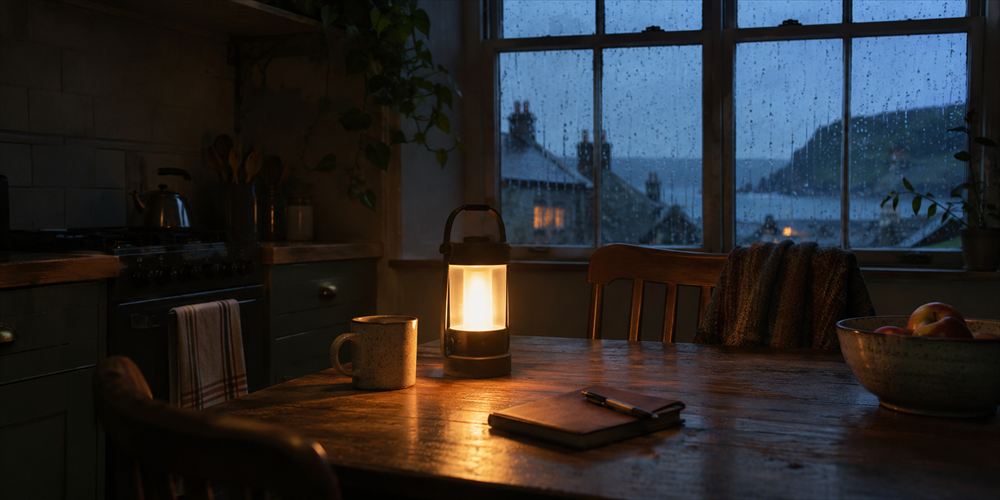 FIELD GUIDE
What to Do When a Power Cut Lasts Overnight
Handle the first minutes, keep warm, protect chilled food and decide when you need to move somewhere with power.
READ FIELD NOTE ↗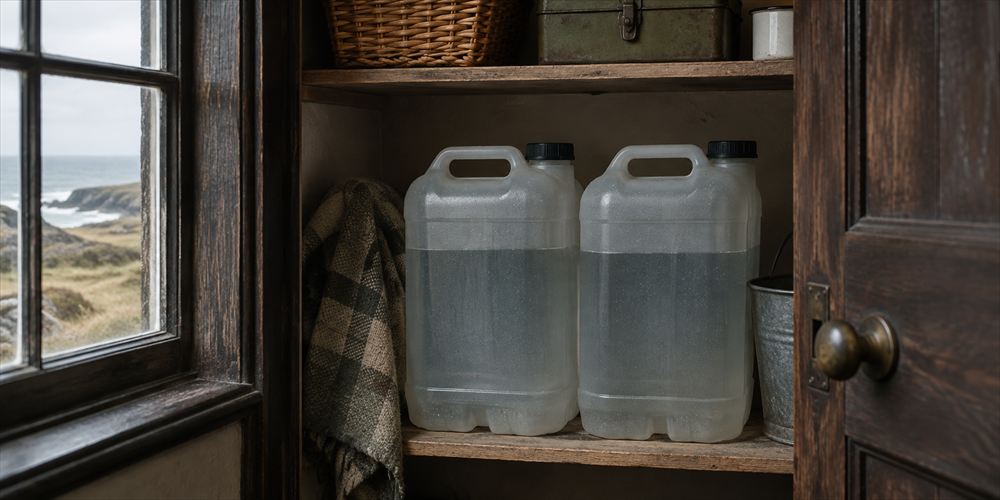 FIELD GUIDE
How Much Water Should Your Household Keep, and Where Should You Put It?
Calculate a practical drinking-water reserve, make room for it and prepare for a supply interruption.
READ FIELD NOTE ↗ FIELD GUIDE
How to Build a Food Reserve Around Meals You Already Eat
Build a three-day cupboard menu, buy it gradually and keep it in use so food is there when you need it.
READ FIELD NOTE ↗ FIELD GUIDE
What to Put in a Go Bag for a City Flat
Pack an easy-to-carry bag for a short absence and know where it fits into your building’s emergency plan.
READ FIELD NOTE ↗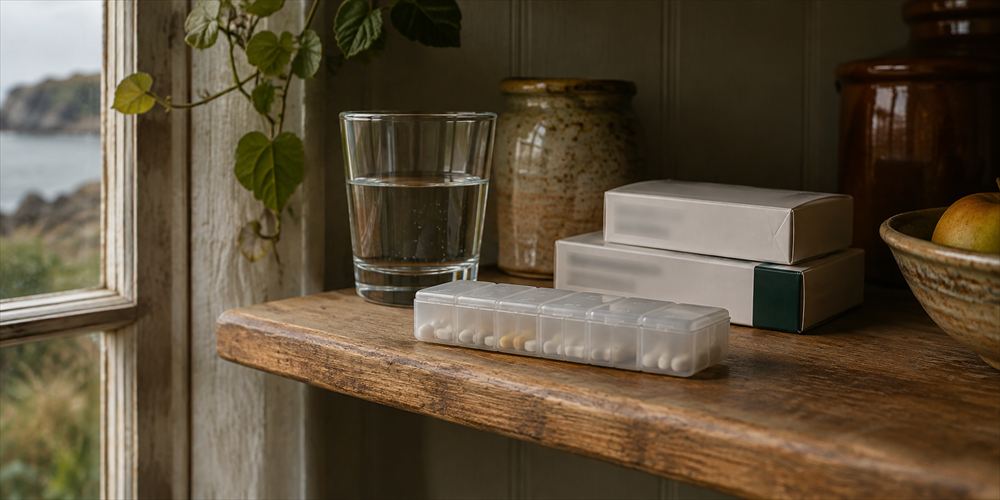 FIELD GUIDE
How to Keep Essential Medication Available During Disruption
Make a plan for repeat prescriptions, travel, storage and urgent supply with the people who support your care.
READ FIELD NOTE ↗ FIELD GUIDE
How to Stay in Touch When Mobile Networks Go Down
Agree check-in times, keep contact details offline and work out which calls and connections your household can still make.
READ FIELD NOTE ↗ FIELD GUIDE
Where to Meet if Your Household Gets Separated
Choose a near meeting point, a safe fallback and a way to pass on updates when people are in different places.
READ FIELD NOTE ↗ FIELD GUIDE
How to Make an Evacuation Plan Without a Car
Plan a safe first destination, check accessible transport and give yourself another route if the usual service stops.
READ FIELD NOTE ↗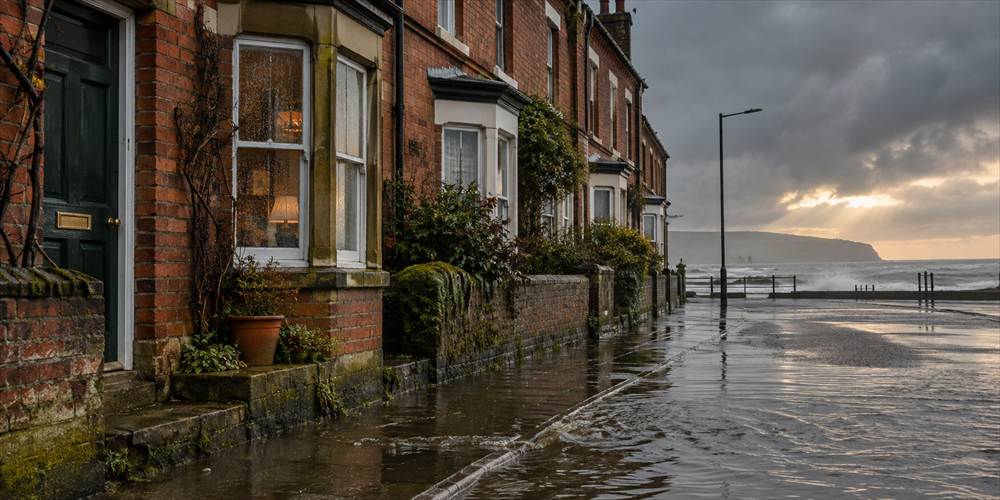 FIELD GUIDE
How to Prepare for Flooding When You Rent Your Home
Check the risks for your address, agree responsibilities with your landlord and plan where you would go.
READ FIELD NOTE ↗ FIELD GUIDE
What to Check Before Buying a Portable Power Station
Match a battery to the devices you need, estimate useful running time and check how you will store and recharge it.
READ FIELD NOTE ↗ FIELD GUIDE
How to Back Up Important Documents So You Can Reach Them Offline
Choose the documents you would need first, store protected copies and practise opening them without an internet connection.
READ FIELD NOTE ↗ FIELD GUIDE
What to Do If You Lose Your Phone, Wallet and Passport Abroad
Get to safety, protect your accounts and arrange travel documents when your normal ways to pay and communicate disappear together.
READ FIELD NOTE ↗ FIELD GUIDE
How to Give Someone You Trust Access in an Emergency
Define what your helper may do, arrange formal authority where needed and give them a way to prove it.
READ FIELD NOTE ↗ FIELD GUIDE
What to Do When Your Bank App and Cards Stop Working
Work out what has failed, cover the essentials and avoid sending the same payment twice while you wait for an update.
READ FIELD NOTE ↗ FIELD GUIDE
How to Keep Working Through an Internet Outage
Choose what you can do offline, set up an approved backup connection and give colleagues a way to take over.
READ FIELD NOTE ↗ FIELD GUIDE
How to Prepare for a Heatwave in a Home Without Air Conditioning
Find the coolest room, block direct sun and plan where to go if the home stays too hot.
READ FIELD NOTE ↗FIELD GUIDE
What to Have Ready Before a Winter Storm Cuts You Off
Prepare for closed roads, delayed deliveries and power loss while there is still time to change the plan.
READ FIELD NOTE ↗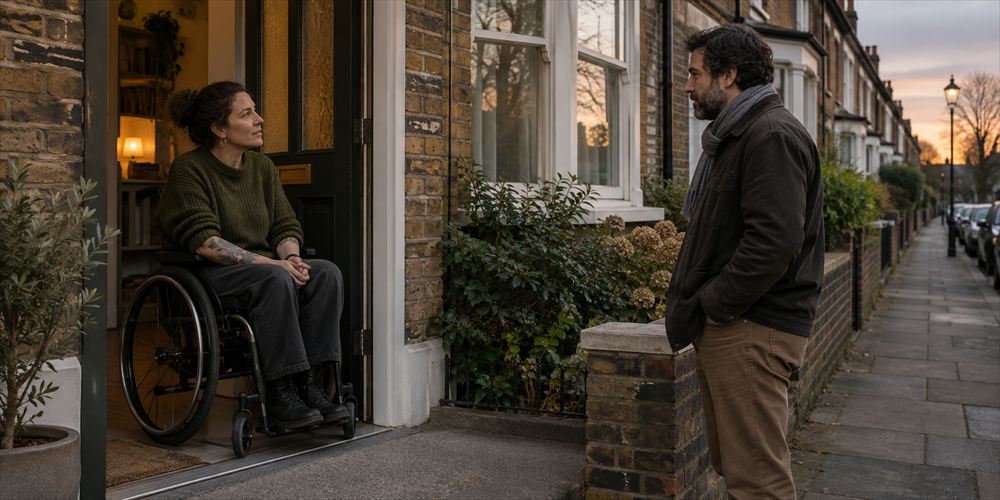 FIELD GUIDE
How to Prepare for an Emergency With a Disability or Mobility Needs
Build an emergency plan around the person’s own preferences, access, equipment and support arrangements.
READ FIELD NOTE ↗FIELD GUIDE
How to Check Whether an Emergency Alert Is Real
Recognise the UK alert service, check the affected area and verify forwarded warnings without delaying a safe response.
READ FIELD NOTE ↗FIELD GUIDE
What Your Neighbours Can Do Together Before a Disruption
Agree a few practical ways to check in, share reliable information and get help on your street before everyday services are interrupted.
READ FIELD NOTE ↗FIELD GUIDE
How to Plan for a Night Away From Home at Short Notice
Plan where everyone can sleep, how you’ll get there and what you’ll need from the moment you leave through the following morning.
READ FIELD NOTE ↗ FIELD GUIDE
How to Test Your Household Plan in 30 Minutes
Run a half-hour practice session to see if your household can find its plan, make decisions and stay in touch when something goes wrong.
READ FIELD NOTE ↗ FIELD GUIDE
What Happens to Your Business If You’re Unavailable for a Week?
Find the work that relies on you, decide what can wait and set up a temporary handover your team can use without access to your phone.
READ FIELD NOTE ↗FIELD GUIDE
What to Restock, Replace and Review Each Year
Keep your household supplies and plans usable by rotating stock, testing equipment and updating the information people rely on.
READ FIELD NOTE ↗