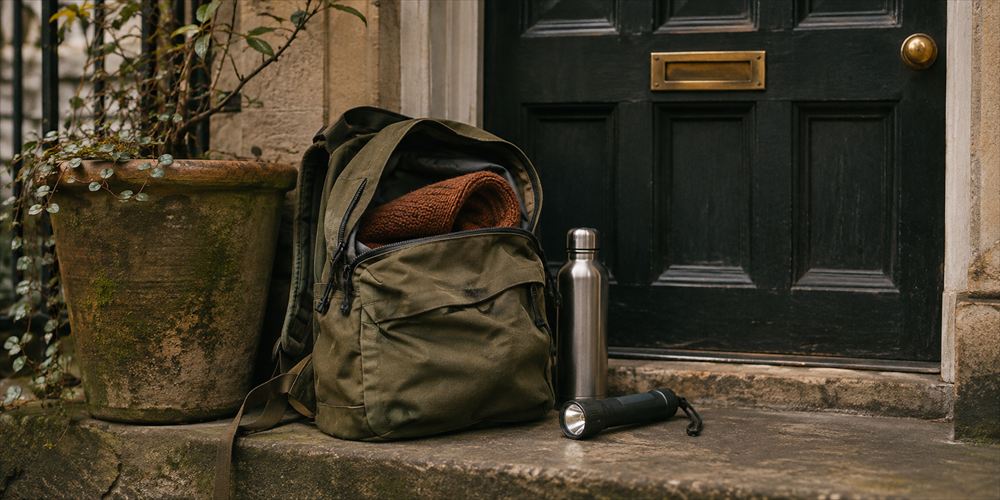
At six in the evening, your building manager says a burst pipe has made several flats unusable. The repair team will reassess in the morning. One adult is on the way home from work, a child needs an early start tomorrow and the cat has disappeared under the sofa. You have a few minutes to call somebody, but the nearest relative who has offered to help lives in the same building. This is where a simple overnight plan saves you a long conversation in the cold.
Work out where you could stay and how you would get there. Then check what you need to take and what you could arrange once you reach a safe place. Set the plan up for the people and pets who actually live with you, and run it once with the usual driver, phone or spare key unavailable. A destination on a list is useful when you know how to reach it and it can meet your immediate needs.
Choose two destinations with different routes
- Ask your first host now. Agree who could come, whether pets can come and how you would reach the host at night. Ask what happens if they are away, or if they have visitors at the same time.
- Pick a backup outside the immediate area. A neighbour can help during a problem confined to your home. If there is a cordon, flood or local power cut, the same disruption may affect both of you. Record a second option on another route.
- Keep the official route to temporary shelter. If authorities direct you to leave and you lack accommodation, follow their instructions. A council may open a rest centre during an incident. Check where it is and what arrangements are available before travelling.
- Write down how to get there. Save the address, a contact number, an alternative route and a transport option that does not depend on your usual driver. Keep a paper copy where you can take it easily.
Ask questions that would matter at the door. Is there a step at the entrance? Is the lift necessary and working? Could someone reach the bathroom independently? Can a person who relies on a medical device use it safely at the destination, and can any medication with special storage needs be kept as instructed? Discuss equipment and medicine arrangements with the relevant care team or pharmacy in advance. Where a host cannot meet a need, agree what could work and keep that alternative available.
Check arrival logistics. A hotel may have a reception closing time or policies on animals and room occupancy. A friend may expect you to arrive by car when you plan to use a bus. Even a confirmed place can be hard to reach if the route crosses the affected area. Have the contact and address ready to give to a driver or relative, and wait at a location authorities have said is safe if access is restricted.
Pack for the first evening and the next morning
Think through what each person will use before breakfast. Prioritise things that are hard to replace promptly, such as essential medicines, prescription information, hearing aid or mobility equipment supplies and specific food or infant needs. Ask the relevant clinician or pharmacy about any medical arrangements you need to make. An ordinary spare shirt may be easy to borrow. A particular cable, compatible charger or prescribed item may take longer to find.
- Keep together. Put a change of clothes, basic toiletries, chargers and a printed contact list somewhere accessible. Keep spare glasses or other available essentials where they can be collected easily.
- Collect only if safe. List daily items such as keys, phone, medicines and equipment that cannot live in a bag. Give each person a clear plan for their own items or agree who can help.
- Prepare for pets. Put a suitable carrier or lead where you can find it. Keep feeding details, essential supplies and the vet’s number handy. Check where the pet can stay and whether the planned driver can carry it safely.
- Take useful records. Keep accessible copies or details of prescriptions, accommodation arrangements, insurance and important contacts. Protect personal information and make sure an authorised adult can reach it without a working connection.
Try carrying the bag with what you normally need to have in your hands. If the same adult is expected to manage a pushchair, a carrier and a bulky bag, revise what is packed or who carries it. If you have to walk some distance, check what can be obtained from the host. A useful bag should be manageable in the circumstances you are planning for.
Agree who needs to hear from you
Choose one contact outside the immediate area and give them a short update when you leave and when you arrive. If people start from different places, have the contact confirm who has been reached. Tell responders or the council what they ask to know about where you are going. Share your exact temporary address only with people who need it.
Once safe, contact the landlord, building manager or insurer as appropriate. Ask who is coordinating the response, how to get the next update and what to check before arranging further accommodation. If you pay for transport or a room, keep receipts and a record of the advice you were given. Any reimbursement depends on the terms or arrangements that apply to you, so ask the relevant organisation directly.
Include a line in your plan for people who spend part of the week somewhere else. If a teenager stays with another parent on certain nights, make sure both adults know where to meet and who will confirm a change. If a carer visits in the morning, arrange how you will tell the service your address has changed and check whether the visit can still go ahead. Give the service enough notice to work through access and travel.
Decide what happens if one night becomes two
Suppose the first host can take your household for one evening, but they work early and cannot keep the cat the next day. The building manager has promised a status update at noon. Ask the host when you need to leave. Identify where you will wait safely and what would need to be arranged before booking a second night. If someone needs a medication refill or an appointment, give that task to a named person and set a time to make the call.
Make a small list for the morning. It could include checking transport, notifying school or work, confirming care appointments, buying essentials and finding pet accommodation. Decide which tasks can happen independently. One adult can confirm the child’s plan while another checks the building update. If you live alone, ask one trusted person to make a specific call or check on you at an agreed time if that would help.
Before returning, confirm that the relevant authority or property manager has cleared the property for access. If access is limited, ask which entrance is available, who can enter and when. Then tell your host and contact what you are doing and update anything that changed during the stay. Put the plan back where you can reach it and replace any supplies you used.
ORIGINAL RESEARCH CHECKED / 9 NOVEMBER 2026
Official sources
- GOV.UK Prepare: getting ready for emergencies ↗
- Birmingham City Council: getting ready to evacuate ↗
- London Fire Brigade: home escape plans ↗
- GOV.UK: help during a flood ↗
Confirm the latest guidance before acting.
YOUR NEXT STEP
Set down your household’s overnight options and identify the arrangements you need to confirm before leaving.
Find your Exit Plan