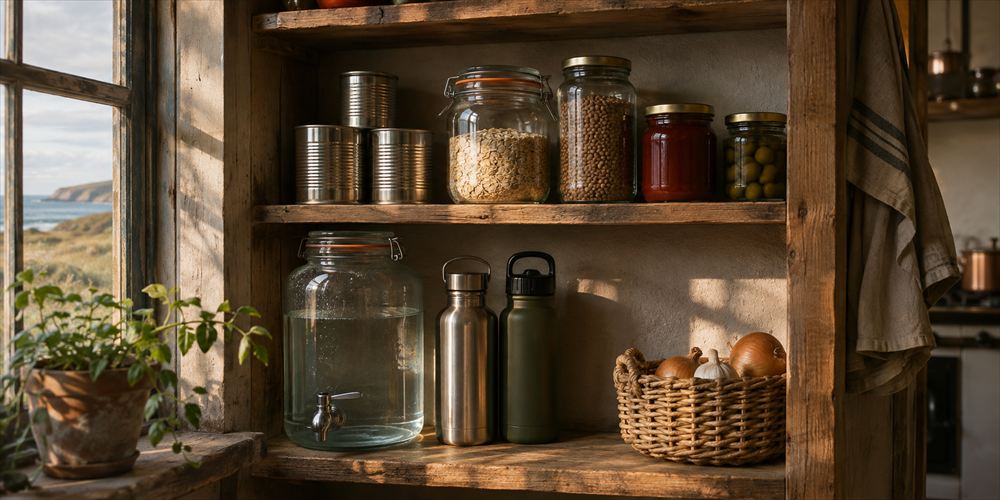
Picture opening the cupboard on the second evening of a disruption. There is pasta, a large sack of rice and five tins of chickpeas. The hob is off, the fridge is warming and you are trying to feed someone who only eats the chickpeas in a dish that needs several fresh ingredients. You own plenty of food. What you need is dinner you can actually serve.
A food reserve works best when it is a small extension of the meals your household already eats. The UK government’s Be Ready checklist suggests having three days of food that stores at room temperature and can be eaten without cooking. Build the menu around what people can eat, what they like and the utensils you can reach. You can do this gradually during normal shopping.
Build a menu before you build a pile
- List nine simple meal slots. Write breakfast, lunch and dinner for three days. Include snacks if you normally rely on them, especially if someone needs food at particular times.
- Choose familiar food for each slot. Start with crackers, spreads, tinned foods, shelf-stable fruit or other things your household already buys. Check packaging to see what is ready to eat.
- Remove hidden dependencies. Cross out any meal that requires a working freezer, an electric tin opener, a large quantity of cooking water or a fresh ingredient you rarely have. Adapt the meal or save it for when those things are available.
- Count portions by person. Read the pack size and think about the quantities your household actually eats. Check that you have a way to serve it and eat it safely.
Think through a menu without electricity first. For example, breakfast could be shelf-stable cereal with a small carton of milk suitable for the household, opened and used according to its label. Lunch might be crackers and a spread sold in portions your household will finish. Dinner could be a ready-to-eat bean dish with tinned fruit. Choose substitutes that respect allergies and other dietary needs. Check whether packs need refrigerating after opening before buying them in bulk.
Run the plan against a different problem. If you still have electricity but the water is off, you may be able to heat food but need to conserve drinking water and reduce washing up. Choose meals that use one pan or none and keep clear what water is safe to use. A cupboard meal that can be served cold is still useful if someone is tired, gets home late or has to eat at a different time.
Make the reserve work for your household
Keep specific needs on the shopping list. A shelf full of products another adult can eat may be unusable by somebody with an allergy or a texture requirement. Check the label when replacing a familiar item because ingredients and preparation instructions can change. Keep the right utensils and a separate clean serving arrangement if your household needs to prevent cross-contact. Let the person who normally manages food explain how someone else can help.
Put baby feeding, pets and essential care supplies on their own lines. Buy the right products for that person or animal and plan the water, opening and cleaning involved. Government guidance recommends ready-to-feed formula for emergencies where formula is used and it may be difficult to boil water or sterilise feeding equipment. Read the relevant advice and ask your health professional about individual feeding requirements. A person following a clinician’s dietary plan should keep their usual guidance available.
- Limited storage. Begin with one complete day of compact meals. Keep the foods in your regular cupboard and mark the minimum number you intend to have left.
- Shared kitchen. Agree whether the reserve is communal and who replaces an item once opened. Label shelves rather than keeping all food in an unmarked box.
- Restricted diet. Store a dependable replacement for ordinary meals where you already have one. Test how much space the packets take up and what preparation they require.
- Unpredictable hours. Include food one person can serve without wasting most of the pack. Keep a basic meal available for someone arriving after shops have closed.
Buy gradually and keep the food in circulation
Look in the cupboards first. Count what can already fill the menu, and buy only for the gaps. If you have a tight budget, buy one extra item from your usual list at a time. The reserve becomes useful as soon as you have one complete meal with all the parts you need. A set of special products that nobody likes is harder to rotate and may cost more than food you already buy.
Give each item a normal use. If a tin of fruit is one of your emergency breakfasts, serve the oldest one with breakfast when you open a newer pack. Put the replacement behind the remaining stock. Write a short restock line such as “keep four tins” where the person doing the shopping will see it. Review the menu when someone moves in, develops a new dietary need or stops eating one of the staples.
Check pack condition and storage instructions as well as dates. The Food Standards Agency distinguishes a use-by date, which concerns safety, from a best before date, which concerns quality. Follow use-by dates and storage directions. Refrigeration instructions after opening still apply when the food came from a cupboard. Use a suitable smaller pack if you will have nowhere safe to keep the leftovers. After a power cut, use the agency’s separate guidance for chilled and frozen food.
Serve one reserve meal on an ordinary day
Ask someone who did not make the list to put lunch together. They should be able to locate the ingredients, read the labels and find a manual opener without guessing. See whether the meal fills the household, how much drinking water you use alongside it and whether it makes more leftovers than you can use. Swap out anything that falls apart in the trial. If a person finds opening a pack difficult, use a different format or store the opener where they can get it.
Then try a simple change of circumstances. One adult arrives home late and the child who planned to eat at a friend’s is back. Ask whether there is enough for both, and who can serve it if the person who shops is away. A few flexible pieces, such as spare portions of a familiar ready-to-eat dish, can make the menu easier to use than three exact days planned down to the last spoonful.
Write down the cost of replacing one day’s food. If that figure would make you postpone a restock, change the menu while you have time. Keeping a few everyday ingredients available and knowing which meals they make is easier to sustain than funding a special shop every time a packet is opened.
Keep the menu on paper with the reserve location and a review date. Check whether a store of water, a torch and the household contact sheet are equally easy to find. Next time you shop, add the first missing item from the menu. Once it is part of your usual rotation, the reserve needs a quick count and occasional updates, the same as the rest of the cupboard.
ORIGINAL RESEARCH CHECKED / 9 NOVEMBER 2026
Official sources
- UK Government: Be Ready checklist and emergency food ↗
- Food Standards Agency: Best before and use-by dates ↗
- Food Standards Agency: Food safety in a power cut ↗
Confirm the latest guidance before acting.
YOUR NEXT STEP
Include your cupboard menu, shopping rhythm and household needs in one plan.
Find your Exit Plan