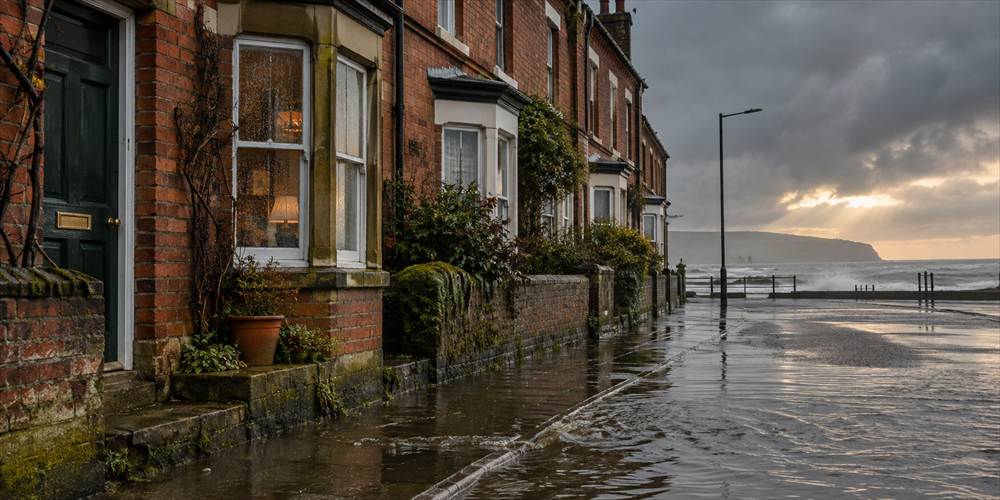
A person on the second floor may never see water enter their flat. They can still lose access when the entrance floods, the lift is out of service or the electricity to the block is switched off. Preparing as a tenant starts with the route out and the people you need to call. You can make those arrangements even when changes to the building are outside your control.
Begin before heavy rain is forecast. Check how flooding could affect the building and surrounding streets. Ask the landlord or managing agent which protections and instructions already exist. Work out where you could go and who would look after any pets or equipment you depend on.
Check the address, the route and the building
- Look up the long-term risk. The Environment Agency provides the service for England. Use the relevant flood authority in Scotland, Wales or Northern Ireland. Look for the types of risk covered, including river, sea and surface water where shown.
- Look beyond the front door. Check whether a route relies on a low road, underpass, riverside path or entrance with steps down. Find a safe alternative you could use if that route is unavailable.
- Find where to get live information. Sign up for available flood warnings for your area and note your local authority’s emergency information page. Check what each warning means and which area it covers.
- Ask about building procedures. Find out how the landlord or agent would contact residents, who can authorise repairs and how an evacuation or closed entrance would be handled.
A map shows area risk and helps you ask better questions. It cannot tell you whether water will reach a particular room in a specific storm. Think about the entrance, meter location, ground-floor storage, parking and any shared room where you keep essentials. Ask whether the property has flooded before and which route residents used. Where someone needs a lift or help to travel, make the route and assistance arrangements with them in advance.
Save the flood information and landlord’s out-of-hours number somewhere you can access without data. If the building has more than one entrance, write which entrance responders should use when told it is safe. Make sure other people in the household know who manages the property, especially if only one tenant usually handles the messages.
Agree what you can do before the rain
Ask the landlord what protection is installed and how residents should use it. An existing door barrier is only useful if someone can find it and understands when to fit it safely. Get approval for any alteration and discuss who maintains it. Keep escape routes and required ventilation clear. Ask the responsible person what to do about power and other services if flooding affects the building. Never handle electrical switches while standing in water.
Focus on tasks you can finish without changing the property. Move important papers and equipment to safer storage before there is any immediate risk. Check that someone can safely reach their medicines and mobility supplies. Keep a small bag available for a departure where there is time to pick it up. Photograph the condition and contents of the home in advance and keep the records in a secure place you can reach from elsewhere.
- Landlord or agent. Ask about previous incidents, warning arrangements, emergency contacts, building protection and where to get an update after leaving.
- Contents insurer. Check whether your own policy covers flood damage to your belongings, what exclusions or excesses apply and what evidence you would need for a claim. Ask what help with temporary accommodation, if any, your policy provides.
- Local authority. Find out where it publishes emergency advice and information for displaced residents. Ask how to identify appropriate support if your household needs assistance.
- Household or host. Agree a first place to stay, who can receive you and whether they can accommodate anyone with particular needs or a pet.
Ask what cover the landlord has. Their building policy may not cover your possessions. Check your own tenancy and insurance documents rather than making plans around accommodation or payments you have yet to confirm. Put the policy reference and contact details with your emergency notes. Keep receipts and a basic inventory somewhere secure if they would help identify what you own after an incident.
Use a warning to decide what happens next
Look up the warning for your area and follow current official instructions. In England, a flood warning means flooding is expected and a severe flood warning signals danger to life. Ask where to go if leaving is advised and tell the local authority or responders about any access needs. If you can do so without delaying safe action, update the landlord and the person who expects to hear from you.
Think through one likely situation while the weather is clear. A tenant in a basement may need to leave early via a route that avoids a steep flooded stairwell. Someone upstairs may be safest waiting for instructions if the main exit is already affected. A tenant whose car is parked on a low road can agree a safer parking option in advance. Each plan depends on the actual advice and a route people can use without entering floodwater.
Make the plan usable on a weekday when nobody is at home. For example, two sharers could agree that the person who receives a warning checks the official advice and tells the other person where to wait. If access has already closed, they go directly to their agreed safe place rather than trying to get back to the flat. The tenant who usually deals with the letting agent gives the other person the out-of-hours number in advance. That lets either person ask for an update without sharing account passwords.
If you expect to move soon, ask the next landlord about flood history, warning arrangements and access before signing. Save the information for the new address and review it after seeing the property in person. A ground-floor entrance, a shared meter cupboard and storage in a basement all deserve their own questions.
Agree how to recover after leaving
Wait for official advice before returning to a closed or unsafe building. Contact the landlord or managing agent about access and what must be inspected. If water has affected electrics, gas or other equipment, get the relevant checks before using them. Notify your contents insurer and ask what to document before clearing or replacing items. Follow the public health guidance on contaminated floodwater and cleaning. Seek advice before using food, equipment or medicine that may have been exposed.
If the first place to stay is available for only one night, ask the landlord, council or insurer what help applies to your situation. Make a list of immediate needs, including access to work, school, care, medicines and somewhere a pet can stay. Save a record of the people you spoke to and the dates they expect to update you. That makes it easier for a different member of the household to take over the next call.
Review the plan after moving or after the building’s arrangements change. Confirm that everyone can find the landlord number, the live warning service and an alternative route. When the next forecast comes in, you will have a set of decisions you can use straight away.
ORIGINAL RESEARCH CHECKED / 9 NOVEMBER 2026
Official sources
- Environment Agency: Check the long-term flood risk in England ↗
- Environment Agency: Personal flood plan ↗
- UK Government: What to do before or during a flood ↗
- UK Government: Flood insurance for renters ↗
- UK Health Security Agency: Recovering from flooding ↗
Confirm the latest guidance before acting.
YOUR NEXT STEP
Bring your flood warning contacts, landlord details and safe route into one household plan.
Find your Exit Plan