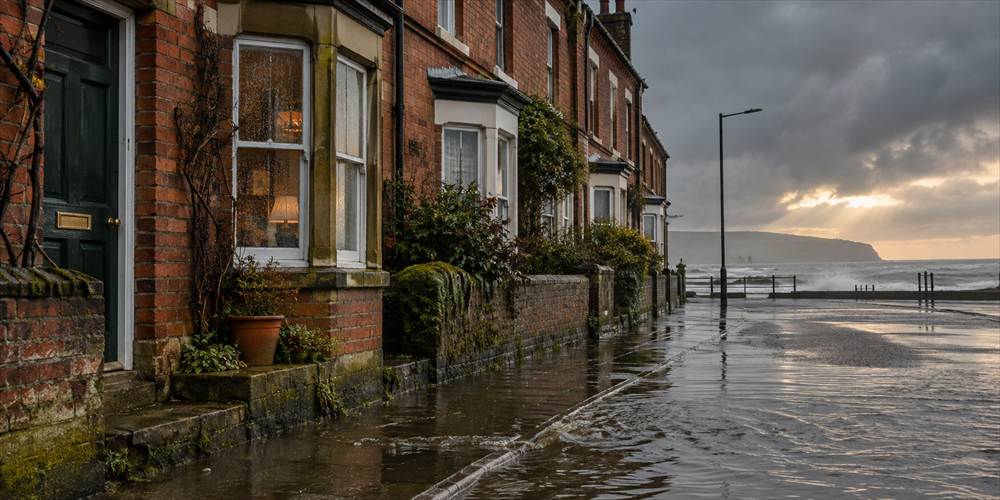
The forecast changes in the afternoon. A delivery that would normally arrive tomorrow may be delayed, a road out of the village could become difficult to use and the temperature is expected to drop overnight. There is still enough time to change the evening’s plans. Use it to cover the jobs that would become harder if you waited, especially medicines, warmth and contact with people who depend on you.
Read the local warning and the expected impacts. A wind warning may make a short walk dangerous. Snow or ice may interrupt a route for longer than the worst of the weather. Make a plan for the combination that matters to your home. For some households that is delayed shopping. For others it is losing a carer visit, a heated room or the lift they use to get outside.
Put the time-sensitive tasks first
- Check the warning and local travel advice. Find out when the worst conditions are expected and which journeys can move. Tell anyone expecting you if you will be staying home.
- Look at medicines and care. Check when the next collection, delivery or visit is due. Contact the appropriate provider early if it may be missed. Follow the care team’s plan for equipment that needs electricity.
- Set up a warm room. Put layers, blankets, a torch and a charged phone within reach. Choose somewhere accessible to the people who will use it. Know where you can go if it cannot stay warm enough.
- Confirm the first check-in. Ask an agreed contact to call at a particular time. Give them another way to reach you and agree what they should do if you miss it.
Do any outdoor work before conditions deteriorate, if it is safe. Move loose garden or balcony items to secure storage and make sure doors and windows close properly. Ask a landlord or building manager how they will deal with access faults and urgent repairs. Avoid going out to move belongings once the storm makes that unsafe.
Check which dependencies you can remove from tomorrow’s schedule. If a long drive is optional, postpone it. Confirm the school’s message procedure and whether an authorised adult can collect a child if transport closes early. If you can work remotely, tell your team where you will be and when to expect an update. A small change before the storm can remove several urgent journeys later.
Build the reserve from what you already use
- Meals and drinking water. Use the government’s Be Ready checklist as a starting point. Keep shelf-stable food your household can eat without cooking and sealed water. Count needs for babies, pets and care separately.
- Light and information. Put a battery torch in a known drawer and check its batteries. Keep a radio if you have one and write down useful stations and contacts.
- Warmth. Put dry layers and blankets in the room you intend to use. Check whether the usual heating needs mains power. Choose a second place you can stay if the home gets too cold.
- Payments and access. Keep a usable way to pay for essentials if a phone or card terminal stops working. Check how you would get inside your building if the usual entry system loses power.
Inventory the cupboard before making a trip. Work out which complete meals you can serve and whether they need an opener, water or refrigeration once opened. Check if someone has a dietary requirement or a medicine with specific storage instructions. The goal is a few days of familiar, usable options and a way to get help if essential supplies run short. Buy gradually whenever possible and avoid depending on a final delivery arriving just before the warning starts.
Plan for closed roads even if the lights stay on
A short road closure can create several separate delays. A visitor may be unable to collect a key, a carer may be unable to reach the house and a relative might be stranded somewhere without their belongings. Check which parts of the routine require the same lane, crossing or service. Ask the people who are affected whether they have a safe waiting place and a way to let you know what is happening.
For example, if a planned delivery contains essential food for someone with limited options, make a meal from their existing supply while you can confirm what is available. Contact the provider about the next delivery rather than sending someone to collect it on an unsafe route. If a person may need help later, agree when the decision should be made and who to call. A written instruction with a time is easier for a second person to follow if you are out of reach.
Find the local authority’s road and disruption updates and save the contact details for any transport you depend on.
Decide what would make it safer to go somewhere else
During a power cut, keep warm with layers and blankets and close doors to unused rooms while keeping necessary ventilation clear. The UK Health Security Agency advises trying to heat rooms you spend time in to at least 18°C where possible. Follow individual advice for people who need particular care. If you cannot keep somebody warm enough, consider moving to a confirmed safe place before travelling becomes harder. Check official advice and route conditions before leaving.
For example, two adults may be able to stay in one room with warm clothes and blankets while power is restored. Their neighbour who relies on powered care equipment may need to move much earlier. Agree the battery limit and backup with the clinical team and supplier. Check the electricity network’s extra support arrangements in advance if somebody is eligible. Put the correct contact and the time to act on the household sheet.
Write down the address of one place with a confirmed host and a second option you can check. Note whether it has access for a mobility aid and space for a pet. In an isolated location, ask how assistance is arranged if local roads close. If authorities advise against travel, follow their instructions and tell them about urgent access or care needs.
Keep the plan running until services are stable
Get updates from official sources or battery radio when the phone network is unavailable. Check on neighbours where safe and ask what would help. A planned phone call or information about a repair can be useful without anyone making a risky trip. Write down the next check-in time and who is responsible for it. Keep the spare charge for important messages.
When the weather eases, check whether roads, public transport and essential services have actually recovered. A warning ending does not by itself confirm that a bridge, lane or station has reopened. Check local advice before travel. If the home was damaged or flooded, follow official instructions and contact the property manager or relevant professionals before using affected services.
After the storm, replace the items you used and check which arrangements held up. A missed medicine delivery, a charger that did not fit or a phone number you could not find tells you what to fix. Make the change while it is fresh. When the next warning arrives, your household will already know what needs attention before conditions make it harder.
ORIGINAL RESEARCH CHECKED / 9 NOVEMBER 2026
Official sources
- Met Office: Stay safe in a storm ↗
- Met Office: Stay safe in snow ↗
- UK Health Security Agency: Staying warm and well in cold weather ↗
- UK Government: Power cuts ↗
- UK Government: Be Ready household checklist ↗
Confirm the latest guidance before acting.
YOUR NEXT STEP
Plan for warmth, disrupted travel and the people you would check on if the storm lasts.
Find your Exit Plan