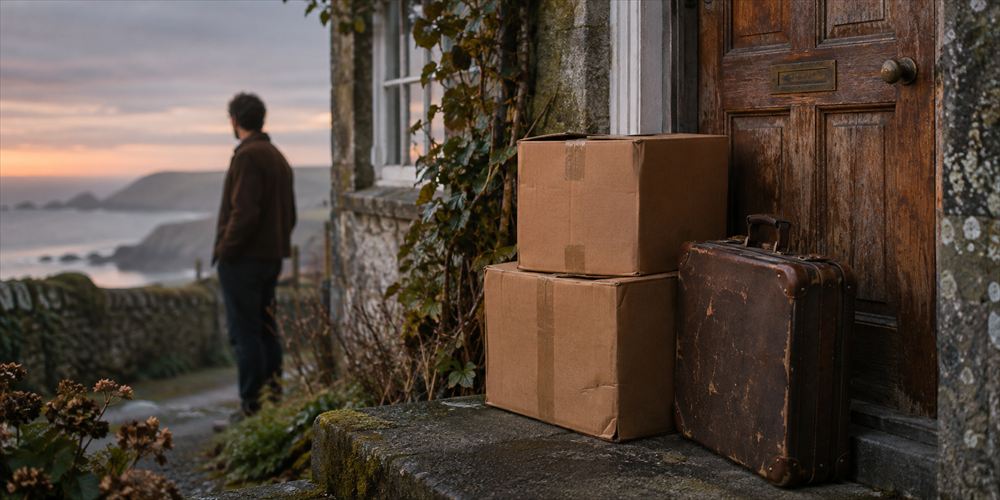
The most useful box on moving day is the one you can open when you need it. It might contain sheets, a child’s favourite book or the clothes you need for a first appointment. Deciding what to take gets easier if you start with the life you will have on arrival, then work back to the goods you can wait for and the things you want to keep for another reason.
Start with what you need before a shipment arrives
Write down what the household will need for the journey, the first night and the first complete week. Include essential documents, clothing, chargers and the familiar things that make the night manageable for a child. Ask the people using any medicine or equipment what needs to be accessible, and discuss transport and documentation with the relevant professionals and carriers. Check the baggage rules for every leg before choosing where to put an item.
For each thing, decide how you will reach it if one bag is delayed. Make sure the adults responsible for arrival can reach key contacts and documents. Keep suitable copies in an appropriate secure place. Label the bags you will use first and give children a limited space for the things they want to keep with them. Agree what happens to a comfort item during the journey so it is available when they expect it.
Give each item a route
- Carry it. Reserve space for items you will use before a shipment can arrive, anything a carrier allows that must stay accessible, and a few belongings with meaning beyond their cost.
- Ship it. Check whether it fits the new home, will be useful there and costs a reasonable amount to transport. Ask when delivery can take place and what happens if the address changes.
- Store it. Name why you would want it later and the date you will reconsider. Price storage, collection and retrieval, including travel or delivery when you need the item back.
- Pass it on. Decide whether to sell, donate, recycle or give it to someone who will use it. Set a date to deal with it before it gets in the way of packing.
- Replace it after arrival. Check availability, delivery times and cost. Confirm what your accommodation already provides before adding large items to the first week’s shopping.
Measure large items and the spaces they would have to pass through. A sofa that fits the floor plan may be too large for a stairwell or turn in a corridor. Check how furniture can be dismantled and what the movers will put back together. Ask the accommodation provider what will be supplied and what is pictured only for illustration. Keep a separate list of items you would buy only after seeing the rooms in person.
Compare quotes by what the company will do
Give each company the same inventory, addresses and dates. Ask whether the quote includes packing, collection, storage, customs handling, delivery to the rooms you need and disposal of materials. Check the assumptions about parking, building access, stairs and delivery dates. Ask who can answer a question in the destination and how to contact them if the shipment is held up. Keep a dated copy of the quote and note anything you would have to arrange yourself.
For an international move, verify the rules for both ends with the relevant customs authorities or a qualified agent. HMRC’s export notices include a procedure for certain personal household items when someone transfers residence out of the UK. The destination has its own import rules and may ask for evidence or list goods subject to restrictions. Ask the mover which declarations they handle, what documents they need and when. Check with the carrier about items with batteries, liquids or other handling requirements before packing them.
- Request a list of goods the company will carry and anything it excludes.
- Ask how insurance cover, excesses and the claims process work.
- Check who pays for extra handling, customs charges or storage if a delivery cannot go ahead.
- Ask how the company records the condition of items at collection and delivery.
Let children choose a few things that tell their story
Invite a child to choose what will be with them on the trip, what they would like to have once their room is ready and what they are happy to pass on. Give them a container rather than an open-ended decision. A scrapbook, team shirt or small collection might matter more than an expensive toy. Ask before giving away a belonging they have attached a memory to. If you need to limit what can travel, explain the practical reason and help them choose how to keep a record of the item.
Consider the family that plans to ship two desks, a dining table and several boxes of toys. Their temporary flat has a table but little room for storage. They agree that one child can take a drawing set in their bag and that the other child will choose a few books for the first box to open. The adults sell one desk, store a family table they want to use again and wait to choose a second desk after seeing the new rooms. The decisions reflect when each person needs the item and what it would cost to replace or wait for it.
Make delivery and storage easy to review
Set the storage decision alongside the rest of the budget. If a chair would cost £400 to replace and the space it takes up costs £35 a month to retain, a year of storage costs £420 before retrieval. The comparison looks different for an item the family values for its history. Give that item a reason to keep it and check the conditions in which it will be stored. Choose when you will next be able to inspect it or give a person permission to collect it.
At delivery, check that the inventory and the goods match while the details are easy to see. Follow the mover’s agreed process if an item is missing or damaged and keep the relevant records. If something arrives before the room is ready, choose a place it can wait without blocking the route people will use that week. Make sure the adults and children know which numbered box contains the belongings they asked to have on the first evening.
Give each box a number and a room, and keep a separate inventory where you can find it. Mark the boxes that should open first and tell the movers which rooms matter. If you pay for storage, set a reminder before renewal and record how to retrieve an item. After you have spent a month in the new home, check the things you expected to replace and the things you still miss. Revisit the stored belongings once you can see what will have a place in your new routine.
Save one hour near the end of packing for the things nobody has assigned. Walk through cupboards, sheds and shared areas. Decide which adult can handle a final collection or drop-off if it has to happen while someone else is travelling. Add the remaining actions to the same list as your bags and keys. That makes the handover easier and keeps important belongings from becoming someone else’s last-minute job.
ORIGINAL RESEARCH CHECKED / 9 NOVEMBER 2026
Official sources
- HM Revenue & Customs — Export notices including personal household items ↗
- Foreign, Commonwealth & Development Office — Moving, living or retiring abroad ↗
Confirm the latest guidance before acting.
YOUR NEXT STEP
Build a move checklist for what your family needs in hand, what can follow and what you can decide later.
Find your Exit Plan