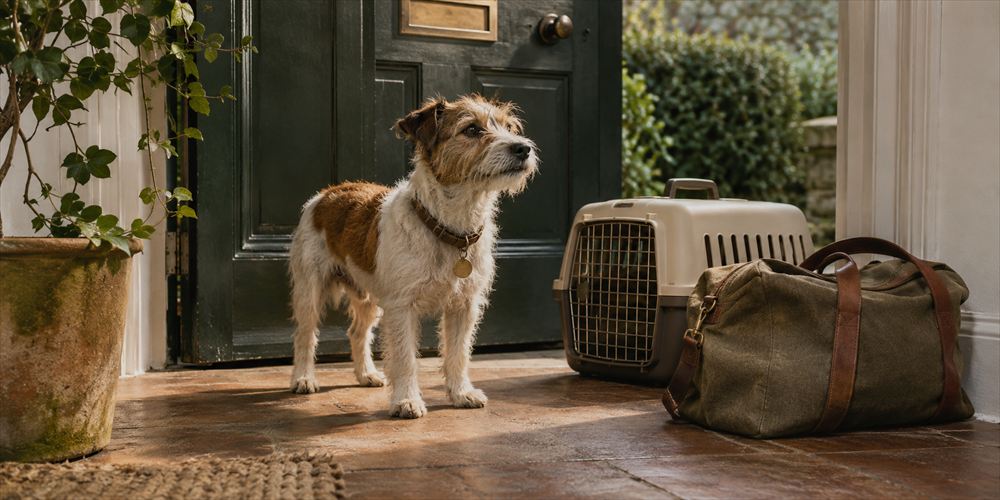
You might be able to move your own flight in a few minutes. Moving a pet’s travel date can change which certificate is valid, whether a carrier has a space and when a vet needs to see the animal. Start with the route and the official requirements, then work backwards to see how much time the family needs. Keep a second plan for where the animal can stay if a date slips.
Identify the animal, route and rules
Record the species, age, identification and relevant veterinary history. List the places you will leave from, pass through and enter. Ask the authorities which rules apply to this animal and whether they differ if someone else travels with it, if the owner travels on another date or if the journey has multiple legs. GOV.UK has separate guidance for different routes for dogs, cats and ferrets. If you are moving another species, check which authority is responsible and whether any additional documentation or restrictions apply.
Check the destination authority’s own instructions even when UK guidance covers the departure route. Find out which documents are needed, who is authorised to issue them, when they can be issued and where the checks take place. Ask whether any approved route or arrival point is required. Save the links and date you checked them, and check again before paying for a booking that is hard to change. A vet or specialist adviser can help resolve questions about the paperwork, treatment dates and travel welfare.
Work backwards from the arrival date
- Check where the animal can enter. Ask which arrival point handles your type of journey, when it is available and what you will need to show there.
- Confirm the carrier’s place. Ask how the animal will travel, whether the carrier can accommodate its size or needs and how to reserve the space on every leg.
- Book the right veterinary appointments. Tell the vet the route and likely dates. Ask which records to bring and which part of the work needs an authorised signatory.
- Check earlier requirements. Ask whether identification, a vaccination, a test, an import permit or another step needs to happen before the final certificate can be issued.
- Add room for a change. Note what could be moved, which paperwork would need updating and who can care for the pet if the family must travel on the original date.
Check the document details as they are issued. The animal’s identification, owner details and route should match the records and booking. Keep the papers where the person travelling can access them. If two adults are involved, agree who presents the documents, who can reach the issuing vet and who will act if an officer or carrier requests further information. Have a usable copy of relevant contacts when you are away from your usual connection.
Ask the carrier about the journey the pet will actually have
Discuss the route with your vet, especially if the animal has health or welfare needs. Ask the carrier which container and check-in procedure apply, where the animal waits and what happens at a transfer or delay. Compare possible routes by the number of handovers and how long the animal would be away from you. Ask who has responsibility at each point and how you can contact them. Confirm where to collect the pet and how you will get from there to the place you are staying.
- Ask the vet which preparations are appropriate for this animal and journey.
- Confirm the carrier’s requirements for equipment, identification and check-in.
- Check accommodation rules for the animal, including any deposit or access requirement.
- Find a local vet and ask how to arrange an appointment once the pet arrives.
- Find out what requirements would apply if you need to return to Great Britain later.
Consider the first evening and the first ordinary week. Find out where the animal will sleep, what familiar food or supplies can be obtained and how the family will manage familiar routines. If your first accommodation is temporary, confirm that the pet is allowed there for the full booking. Plan which adult can be present when other people are collecting keys, bringing in boxes or starting work. Make it clear to children what they can expect and which part they can help with.
Run a version where the booking moves
Imagine Sol and Mira have a job start date and a flat with written permission for their cat. Their preferred carrier can take the cat on a later service than the family had planned. They ask whether the new service changes the veterinary dates and which rules apply if the pet travels with another person. They price a later family journey and a temporary stay with a person the cat already knows. The choice becomes clearer when they know who can handle the paperwork and how long each arrangement could last.
Talk through a delay before the day of travel. Decide which person can speak to the carrier, ask the vet about documents or arrange a place to stay. Check whether a new route would require different approval. If the new home becomes unavailable, give the pet an accommodation option that has been checked for them. Choose the point at which you would postpone the pet’s journey and tell the people involved what you have agreed.
Make one last check with everyone involved
Get a breakdown of the costs before you choose between routes. Ask the vet which appointments, tests or certificates the quote includes. Ask the carrier or transport company to separate the fare, equipment, handling, collection and any overnight charges. At the other end, check what accommodation and onward transport would cost with the animal. A service that appears cheaper may leave you to arrange the part that takes the most time. Request the terms for changing the booking and note which charges would repeat if the journey moved to another date.
Check that the person responsible at each end has the right address and knows the collection procedure. If you arrive before the pet, ask how the carrier will tell you it is ready and where you can wait. If someone else will handle a leg, ask the authorities and carrier which permission and records they need to see. Give that person a copy of the schedule and a way to speak to you if the timetable changes. Keep the animal’s familiar contact information current and ask the vet which details you should update after arrival.
Give the family one review before you leave. Compare the latest travel booking with each appointment and document date. If the animal’s health, the route or the receiving address has changed, ask the relevant adviser what needs to be checked again. Decide who will take the animal to the vet, who can collect it and where it will go if either person is unavailable. That last conversation may reveal a gap that neither the carrier nor the vet could see from their part of the plan.
A few days before departure, review the official requirements, the carrier’s booking, the vet paperwork and the arrival arrangements. Ask each person responsible for a handover to confirm when and where it will happen. Keep the first local appointment and any follow-up instructions in the calendar. Check the animal’s routine with the vet if you are concerned after arrival. Once the family has settled, record which documents you would need to revisit before another trip, since the rules for leaving and returning can differ.
ORIGINAL RESEARCH CHECKED / 9 NOVEMBER 2026
Official sources
- Animal and Plant Health Agency — Taking a pet dog, cat or ferret abroad ↗
- Animal and Plant Health Agency — Travelling with a pet to a non-EU country ↗
- GOV.UK — Bringing your pet dog, cat or ferret to Great Britain ↗
Confirm the latest guidance before acting.
YOUR NEXT STEP
Put your pet’s documents, vet appointments, journey and arrival arrangements alongside the rest of your move.
Find your Exit Plan