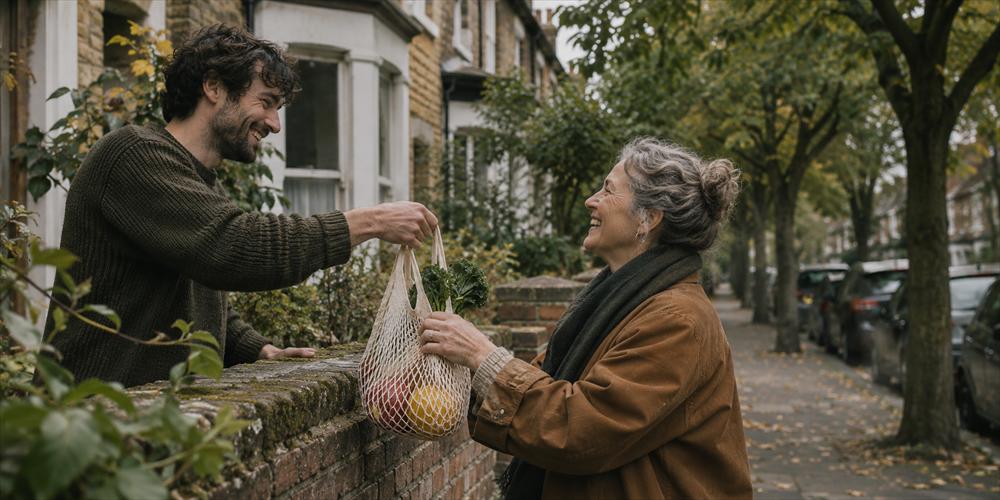
A family can arrive with three bags, a list of appointments and a place at school, then discover that the weekend feels empty. At home, seeing people may have happened while walking a dog, taking children to a club or helping a neighbour. Think about the activities that used to put you around the same people regularly. Find a few equivalents you would want to do even on a day when you feel too tired to make conversation.
Choose activities people can repeat
Ask each person in the household to choose something they enjoy and something they would be curious to try. One adult may like a running group. Another may want to learn a language with other beginners. A child might prefer a craft activity with a clear start and finish or a game they already know. Look for a place you can return to at the same time each week. Check the location, costs and how to join before you add it to an already crowded first month.
Try the journey as well as the activity. A weekday group that needs a twenty-minute drive is harder to keep up if the other adult is using the car. A Saturday class that takes a child away from all the other family activities may feel like work. Choose one commitment each that fits the week you are living. Try it several times where it is comfortable and safe to do so, then decide whether it gives you a reason to return.
Help children enter the group in a way that suits them
- Ask what would make the first visit easier. The child might want to observe, take a friend, meet the organiser or see what everyone brings.
- Find a named adult. Ask who welcomes new members and how a child can ask to join an activity or take a break.
- Choose a small goal. It might be learning someone’s name, helping with the equipment or joining the last part of the game. Let the child say what they want to try.
- Agree how you will check in. Ask what they liked and what they would change. If they want another visit, put the time and route in the family calendar.
- Make it possible to see someone again. If two children want to meet outside the activity, help arrange it with the adults involved in a way appropriate for their age.
Children may need different kinds of social time. A child can enjoy an organised club and find the unstructured minutes before it difficult. Another may prefer to play with one other child for half an hour. Ask which part they want help with and whether a small change would make the activity easier. If the difficulty is happening regularly at school, speak to the relevant staff about what they have observed and how the child can participate.
Give the adults their own way in
School gates and work can help you meet people. Find an opportunity that belongs to each adult too. Someone who works from home might arrange to use the same workspace once a week or choose an activity around a hobby. An adult managing the move may know parents and providers without having met people with whom they can spend time for themselves. Build that time into the household plan and agree who can cover the commitments that would otherwise make it difficult.
If you are unsure how to move from conversation to an invitation, make the invitation specific and easy to answer. Suggest a short coffee after an activity, a walk along a route you both use or meeting at a place the children already know. Ask which day suits them and give them room to decline. If someone says they are busy, you can keep saying hello when you see them and let the conversation develop naturally. A routine makes it easier to stay in touch without treating every invitation as a test.
- Ask a venue how newcomers usually join and whether you need to book.
- Offer one invitation with an activity, time and end point.
- Choose a place you can both reach without a complicated journey.
- Practise names and short greetings if you are learning the local language.
Notice when the first plan asks too much
Consider Ellis and Rob, who have moved with an eight-year-old. They try a school gathering, an evening class and a weekend team in one week. Their child likes the team but is tired of meeting new people by Friday. They keep the team, drop an evening outing for a while and find a time for each adult to do something they enjoy. At the next match the child recognises two people and wants to arrive early. The decision to do less gives the activity time to become familiar.
Some invitations are welcome while the family is settling in and difficult later, or the reverse. Tell people what you can manage this week and leave a way to reconnect. If an event feels like a poor fit, identify what would help before choosing another one. It might be a smaller group, a quieter setting, clearer language support or a group that meets when everyone is less tired. Compare those features instead of simply searching for more events.
Review the week from each person’s point of view
Pay attention to the sorts of introductions that are easiest for you. One adult might prefer an organised activity with a start and finish, while another finds conversation easier when everyone is doing a practical job. Ask the library, sports centre or community organisation whether someone can explain what happens on a first visit. When the family arrives, introduce yourselves to one person and ask when people usually return. If the next meeting is full or the time is unsuitable, see whether the organiser knows another way to take part.
You can also offer something small that fits the setting. Share a route with a person who is new to it, help put equipment away or offer to bring a board game next time. Keep the offer specific so the other person can accept or decline easily. If you would like to meet someone separately, ask about an activity you have already talked about. A shared reason to meet makes the next conversation easier to begin.
After a month, ask each person when they have felt most comfortable around other people. Check whether they can get there regularly and whether another part of the week prevents them from going. The person most confident in the new language may have more opportunities already. Someone else may want practical help making an introduction or learning the route. Choose one task that the family can take on together, such as arranging transport or inviting someone to a familiar place.
Keep room for unplanned encounters too. If there is a particular place where the family likes to spend time, use it even when there is no group running. A child can tell you which familiar faces they have noticed and an adult can decide whether to make a small invitation next time. When you review the move, include the people you now know and the places you are glad to return to. Those details show how your family’s ordinary week is taking shape.
ORIGINAL RESEARCH CHECKED / 9 NOVEMBER 2026
Official sources
- Foreign, Commonwealth & Development Office — Moving, living or retiring abroad ↗
- NHS — Preparing children for changes and supporting their wellbeing ↗
Confirm the latest guidance before acting.
YOUR NEXT STEP
Build time to meet people into the move you are planning, alongside housing, school and work.
Find your Exit Plan